

Carrito
0
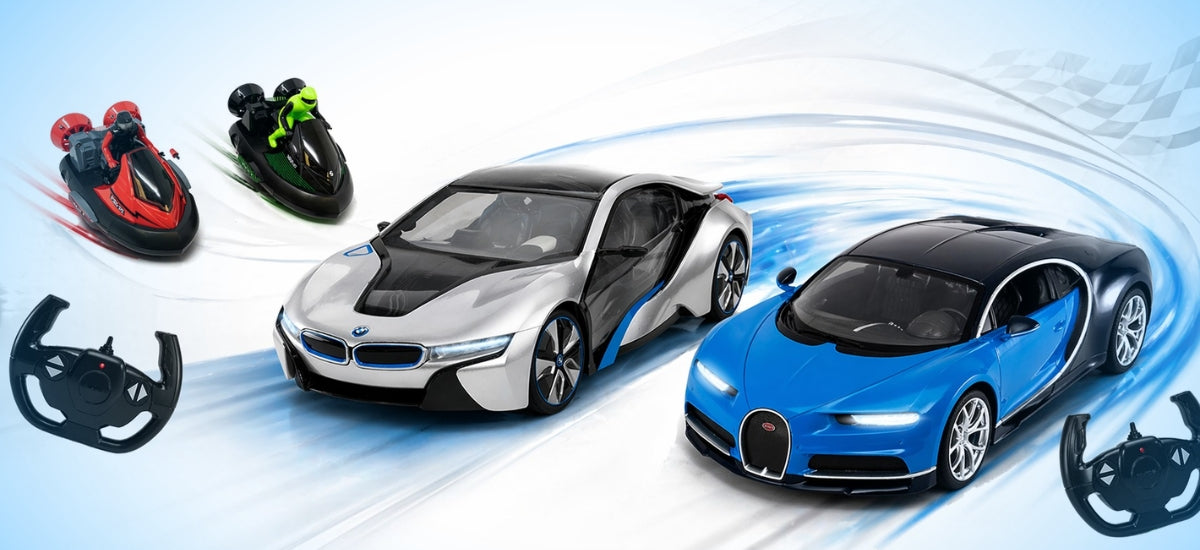
There is an unmistakable thrill that comes with watching a high-speed vehicle tear across the pavement or kick up dirt on an off-road track. For many parents and car enthusiasts, gas-powered remote-control cars represent the pinnacle of that excitement. They are powerful, realistic, and built for hobbyists who love hands-on tuning.
However, as any seasoned hobbyist will tell you, with great power comes great responsibility, and quite a bit of mechanical homework. This blog will provide an honest look at the world of gas and nitro RC cars. We will explore how they work, why people love them, and, most importantly, help you decide if they are truly the right fit for your family.
What Are Gas-powered Remote-control Cars?
In the RC world, "gas" is often a broad term that covers two distinct types of internal combustion engines: Nitro RC cars and true large-scale gasoline engines.
-
Nitro RC Cars
These run on a specialized blend of nitromethane, methanol, and oil. They are typically found in 1/10 and 1/8 scale models.
-
Gasoline RC Cars
These use a mix of standard pump gasoline and two-stroke oil, similar to a weed whacker, and are usually reserved for massive 1/5 scale beasts.
Unlike electric models that use LiPo batteries and motors, these two gas-powered remote-control cars run on specially blended nitro fuel, a mix of methanol, nitromethane, and oil.
Furthermore, gas RC models mimic real vehicles. You get an actual engine to start, tune, and listen to. The throttle response, exhaust note, and faint smoke trail make gas-powered RC cars a completely different experience from electric model cars, and add a layer of realism and immersion that electric models cannot match.
How Do Gas-powered RC Cars Work?
Nitro RC cars operate like miniature cars. The nitro fuel is poured into a small fuel tank and fed into a glow engine. A glow plug ignites the fuel-air mixture in the carburettor, creating combustion that turns the crankshaft and drives the wheels.
Key components include the engine, fuel tank, air filter, exhaust pipe, and pull-start or electric starter. Because it is a combustion system, the engine requires regular tuning. You have to "prime" the engine, often using a pull-start or a starter box, and tune the carburetor settings based on the temperature, altitude and humidity of the day. This is very different from electric RC cars that run on rechargeable batteries and motors.
Benefits of Gas-powered RC Cars
Below are the reasons why seasoned drivers choose gas-powered RC cars over electric models:
-
Higher speeds and power
Top-tier models push 60-70 mph out of the box. Torque is brutal, so they launch hard and hold speed on loose dirt.
-
Longer run times with refueling
Batteries for electric cars get exhausted and need at least 45 minutes to 1 hour to charge. Gas, however, runs as long as you have fuel. Pull over, refill, and you are back moving your car in under 30 seconds.
-
Realistic driving experience
The realism is addictive: engine vibes, smells, and sounds make every drive feel alive. Engine revs, gear shifts in multi-speed transmissions, and the need to manage temperature make it feel like driving a real machine.
-
Best suited for outdoor use
Gas-powered RC cars are outdoor kings. For instance, they thrive on dirt tracks, large parks or open fields where electric models might bog down. This is because their weight and power make them excellent for large, open outdoor spaces.
Downsides of Gas-powered RC Cars
Before you rush out to buy the best gas RC cars, it is vital to understand that these cars may not be suitable for every child or even car enthusiasts, for the following reasons:
-
High maintenance requirements
Engines of gas-powered RC cars need cleaning, after-run oil, glow plug changes, and tuning after almost every session.
-
Fuel cost and handling
Nitro fuel is expensive, flammable, and must be stored safely away from kids. In addition, the cost of a replacement engine and spare parts piles up quickly.
-
Noise levels
Gas-powered RC cars are loud. Most neighborhoods and indoor spaces are not suitable places to drive these cars around, as you cannot run these in a quiet suburban driveway without drawing the ire of neighbors.
-
Steeper learning curve
They are not beginner-friendly, especially for children. Starting, tuning, and troubleshooting gas-powered RC cars take time and mechanical comfort.
Gas vs Electric RC Cars
Deciding between gas-powered RC cars versus electric RC cars usually comes down to what kind of driver you are. Here is a no-fluff breakdown of both vehicles:
|
Feature |
Gas-Powered RC Cars |
Electric RC Cars |
|
Speed |
Very high-top speeds (40-70 mph) |
High speeds, instant torque (20-50 mph) |
|
Ease of use |
Complex start-up and tuning |
Simple: charge and drive |
|
Maintenance |
Frequent cleaning and tuning |
Minimal: mainly charging and occasional parts |
|
Cost |
Higher fuel and parts cost |
Lower running cost |
|
Noise |
Loud engine sound |
Quiet, indoor-friendly |
|
Beginner suitability |
Not ideal, supervision needed |
Excellent for beginners and kids |
Positioning: Gas RC cars are powerful but complex. Electric RC cars are practical, safe, and user-friendly.
Are Gas-powered RC Cars Good for Beginners?
The honest answer is generally NO, especially when looking for remote control cars for beginners or gifts for children. Gas-powered models present a steep learning curve. You need to understand carburetor needles, temperature monitoring and fuel mixtures. Without proper handling, you risk engine damage or safety issues.
Also, nitro fuel is toxic and flammable, and the cars run hot. Therefore, they require adult supervision at all times due to the heat of the engine and the handling of fuel. For a child who just wants to race, the frustration of an engine that would not start can quickly turn a fun afternoon into a chore.
For kids and families, electric RC cars offer a gentler entry. They offer the same thrills without the mechanical headaches.
What to Look for When Buying a Gas RC Car
-
Build quality
Seek aluminum chassis, sealed diffs and 4WD for build quality.
-
Speed capabilities
The range of 40mph to 45 mph is common. Check if it is 2-stroke speed equipped for better top end.
-
Spare parts availability
Gas cars take a beating. Ensure you are buying a brand that offers easy access to spare parts replacement, such as arms, glow plugs, and gaskets.
-
Brand reliability
Stick with brands that support their models long-term.
Pro-tip: These same factors, minus fuel, also apply when choosing electric RC cars for kids.
Maintenance Tips for Gas RC Cars
To keep your engine from seizing or losing performance, follow these golden rules:
-
Cleaning after use
Blow off dirt, wipe chassis, and use after-run oil if storing more than a day.
-
Fuel handling and storage
Keep nitro in a cool, dark place, preferably in airtight cans away from sunlight. Never leave fuel in the tank.
-
Engine tuning basics
Learn basic engine tuning for optimal performance. Rich is safe for a break-in. Lean makes power but risks damage. Tune in small increments.
-
Regular inspection tips
Check the air filter every run, inspect the clutch shoes monthly, and replace glow plugs when the idle gets inconsistent.
By contrast, electric RC cars require far less maintenance. Charge the battery, wipe off dirt, and you are done.
Safety Tips for Using Gas RC Cars
Gas RC cars are not toys in the toy aisle sense. Treat them like small motorsport machines by utilising these tips for safety:
-
Use in open spaces
Use gas RC cars in parks and empty lots only. Never use them on public roads or in crowded residential areas, as they are fast and loud.
-
Fuel safety
Nitro is flammable and toxic. Store nitro and gas in cool, dry places away from open flames. There should be no smoking near fuel, and avoid skin contact.
-
Keep away from children unsupervised
Gas RC car engines can reach temperatures over 200°F. Hot exhaust, spinning parts, and fuel are not kid-friendly. So, children should not be near running cars if they are not supervised. Never touch the engine or exhaust immediately after running.
Our Review of Gas-powered RC Cars
-
Pros
Gas-powered RC cars are powerful, realistic, and rewarding for hobbyists who enjoy tinkering. Their speed, durability, and realism make them ideal for car enthusiasts seeking more than just casual fun.
-
Cons
However, gas-powered RC cars are expensive to run, high-maintenance, loud, and not beginner-friendly.
While gas RC cars are impressive machines, they are not the most practical choice for most users, especially families buying an RC car for adults to enjoy with their kids.
Why Electric RC Cars Are the Smarter Choice for Kids and Families
While the engineering of a gas engine is valued, electric remote-control cars have evolved to become the "smarter" alternative for most users.
Here is why they are the preferred choice for families at Big Boy Toys and Girls:
-
Easy to use
Electric RC car models are plug-and-play. Charge the battery and drive the car around.
-
Safe for children
There is no fuel, no fumes or no hot exhaust for children to handle regarding electric RC cars.
-
Low maintenance for parents
No tuning or messy clean-up required for electric RC cars. Low maintenance means more playtime and fewer parenting chores.
-
Quiet and suitable for home environments
You can race electric RC cars in your backyard or even indoors without disturbing anyone.
-
Wide variety of kid-friendly options:
From monster trucks to drift cars, electric RC cars provide a wide variety with adjustable speed settings.
Explore Remote Control Cars at Big Boy Toys and Girls
At Big Boy Toys and Girls, you will find a wide range of remote cars designed for kids, beginners, and seasoned enthusiasts. Whether you are looking for a rugged off-road truck for your child’s birthday or a high-speed racer for yourself, Big Boy Toys offers a curated selection of the best electric RC vehicles. We focus on models that combine high performance with ease of use, ensuring your RC car stays on the road and out of the repair shop.
Browse our full Remote Control Collection here and pick the perfect model for birthdays, holidays, or weekend family fun.
Frequently Asked Questions
Q: What is a gas-powered RC car?
It is a remote-controlled vehicle powered by a miniature internal combustion engine using either nitro fuel or a gasoline/oil mix.
Q: Are gas RC cars faster than electric?
Historically, yes. However, modern "brushless" electric motors can reach higher top speeds, but gas cars still win on "realism" and continuous run time.
Q: Do gas RC cars require maintenance?
Yes, they significantly require more maintenance than electric RC cars. Gas RC cars require the cleaning of the air filters, tuning the carburetor, replacing glow plugs, and inspecting the engine regularly.
Q: Are gas RC cars worth it?
If you want realism, sound, and the mechanical experience, absolutely. For pure convenience, electric wins. Choose based on what kind of fun you want.