
Cart
0

Why Kids Love Collecting: The Learning Skills Hidden in Building a Collection
Have you ever watched a child carefully arrange a collection of cars, dinosaurs, trading cards, airplanes, rocks, shells, or favorite characters?
To an adult, it might simply look like a group of things.
To the child who collected them, however, every item may have a place, a purpose, and a story.
Collecting can be fun, but it can also encourage children to observe differences, organize information, make comparisons, research subjects that interest them, and develop a deeper curiosity about the world around them.
Sometimes a collection is more than a collection.
It can become a way of learning.
Collecting Begins With Curiosity
Most collections start with a simple interest.
Maybe it's dinosaurs. Race cars. Airplanes. Animals. Space. Favorite characters. Or something completely unexpected.
One interesting object leads to another, and before long questions begin to appear:
What kind is this?
Where did it come from?
Is this one different from the others?
Are there more like it?
Those questions are important because curiosity is often where learning begins.
When children become genuinely interested in a subject, they frequently want to discover more about it without anyone telling them they have to.
Learning to Sort and Classify
Collectors naturally organize things.
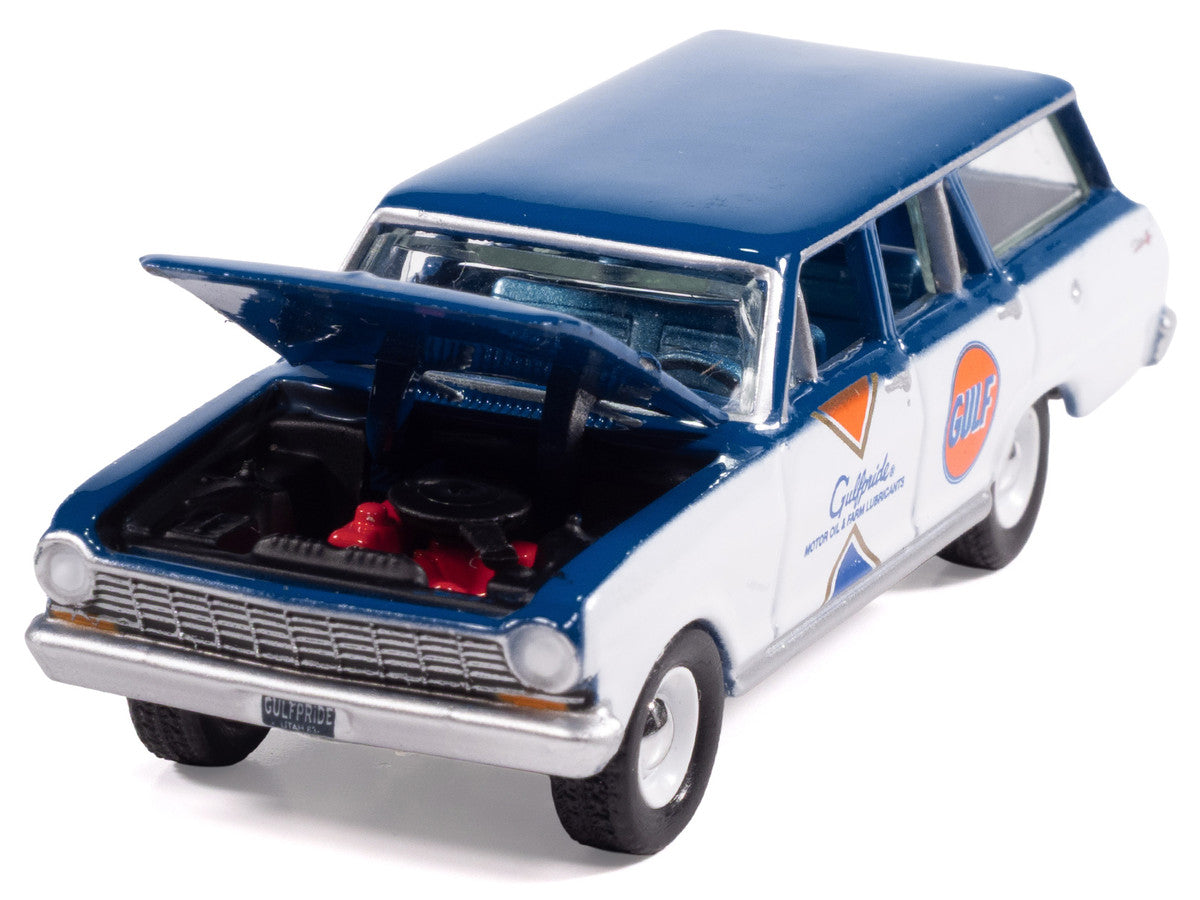
A collection of toy cars might be separated by manufacturer, color, racing series, country, model, or scale.
Dinosaurs could be grouped by the periods in which they lived, what they ate, or whether they walked on two legs or four.
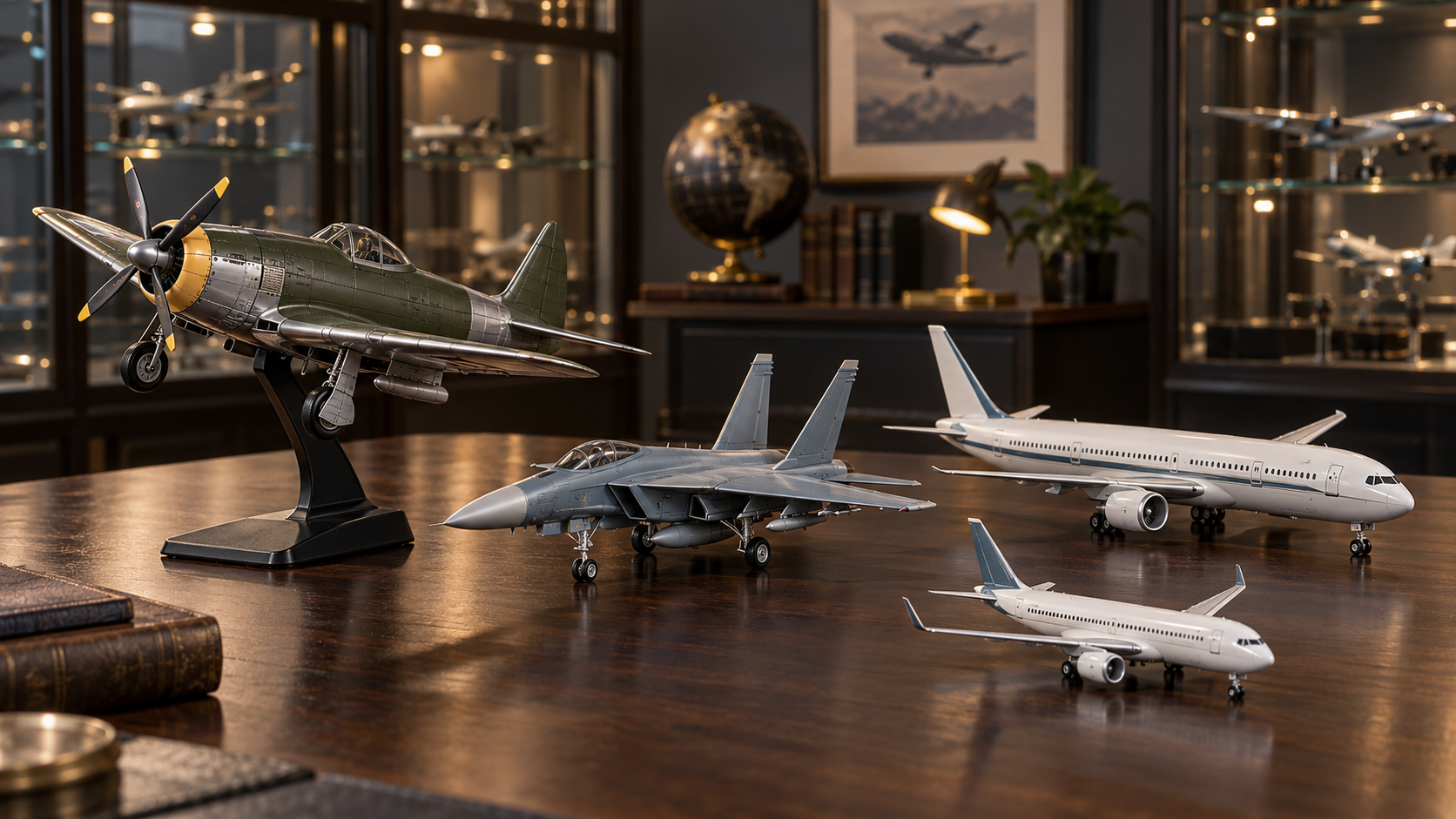
Model airplanes might be organized by airline, aircraft manufacturer, military branch, historical period, or scale.
Every time children decide that certain objects belong together, they're practicing classification.
Classification is an important thinking skill used throughout science, mathematics, research, and everyday life.
Spotting Similarities and Differences
Collectors also become very good observers.
Two objects that initially look almost identical may actually have important differences.
A child comparing two model cars might notice different wheels, body shapes, racing numbers, or aerodynamic features. Someone interested in animals may begin recognizing differences between closely related species.
That process encourages children to slow down and pay attention to details.
The question changes from:
“What is this?”
to:
“What makes this different?”
And that's a much more interesting question.
Collections Can Encourage Research
Sooner or later, most collectors encounter something they don't know.
Maybe it's an unfamiliar aircraft.
A race car from another era.
A dinosaur with a name they've never heard before.
Or a character with a story they haven't discovered yet.
Finding the answer might involve reading a book, searching a trusted website, asking someone knowledgeable, visiting a museum, or watching an educational program.
Suddenly the collection has created a reason to research.
And because the child wanted the answer, the learning feels very different from simply being assigned something to study.
Learning About History and the World
Collections can also become small windows into much larger subjects.
A collection of automobiles can lead to conversations about engineering, transportation, racing history, design, and technology.
Aircraft can introduce aviation history and the science of flight.
Dinosaurs can lead to geology, fossils, evolution, and Earth's prehistoric environments.
Coins, stamps, figures, models, and countless other collectibles can introduce different countries, cultures, historical periods, inventions, and people.
One object can sometimes lead to an entire new area of discovery.
Making Decisions and Setting Goals
Collectors can't always have everything.
That means choices have to be made.
Which item should come next?
Is there something missing from the collection?
Should the collection focus on one particular subject?
These small decisions encourage children to think about priorities and goals.
Some collectors even create wish lists, inventories, checklists, or categories to keep track of what they already have and what they hope to find next.
That's organization and planning disguised as a hobby.
Taking Care of Something That Matters
When children value a collection, they often learn to take care of it.
Items may be carefully displayed, returned to their proper place, protected from damage, or organized so they can easily be found.
That sense of ownership can encourage responsibility.
The collection matters to them, so taking care of it matters too.
Collections Can Tell Stories
Not every collection stays neatly lined up on a shelf.
Sometimes the objects become characters in completely new adventures.
Cars race.
Dinosaurs explore imaginary worlds.
Airplanes embark on missions.
Figures become heroes, explorers, scientists, athletes, or villains.
This kind of imaginative play adds another dimension to collecting. Children aren't simply organizing objects—they're using them to create stories and new possibilities.
A Collection Can Grow With You
One of the interesting things about collecting is that it doesn't necessarily end with childhood.
The subjects may change and the collections may become more sophisticated, but adults collect many of the same things children do: automobiles, models, books, art, memorabilia, coins, stamps, figures, and countless other objects.
And serious collectors often become remarkably knowledgeable about the subjects they love.
What began with “I like this” can eventually become:
“I want to know everything about this.”
That's curiosity at work.
Learning Through the Things We Love
Children don't begin collections because they want to practice classification, research, observation, organization, decision-making, or storytelling.
They collect because something interests them.
And perhaps that's exactly why collecting can become such a powerful learning experience.
When curiosity leads the way, children often develop knowledge and skills simply because they want to discover what comes next.
At the Big Boy Toys and Girls Too Learning Center, we believe some of the best learning begins with a simple question:
“I wonder…”
Because you never know where that question might lead.